
Event venue hire London how to choose a space that works
7th April 2026
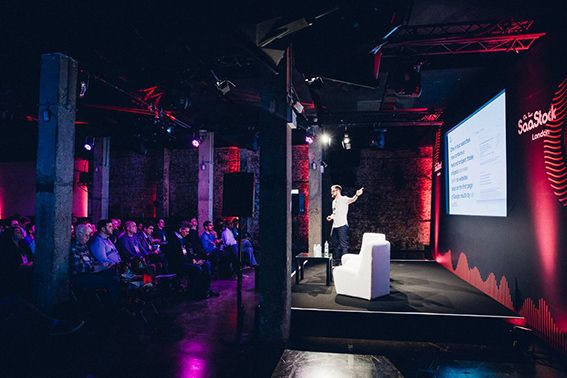
Introduction to choosing the right event venue hire London
Choosing an event venue in London is rarely straightforward.
On the surface, it looks like a simple comparison exercise. Location, capacity, price, and a handful of images to get a feel for the space. In reality, those factors only scratch the surface. The success of an event often comes down to how well the venue performs once people are inside it.
The way guests enter the space. How they move through it. Whether they can hear, see, and engage without effort. These are the details that shape the overall experience, yet they are often overlooked during the selection process.
For businesses planning corporate events, brand activations, or large-scale gatherings, the venue is not just a backdrop. It is a functional part of the event itself. If it supports what you are trying to achieve, everything flows. If it doesn’t, even the strongest content or production can feel disjointed.
This guide breaks down what to look for when considering event venue hire in London, with a focus on practical decision-making rather than surface appeal.
What matters when selecting an event venue in London
It is easy to be drawn towards aesthetics when reviewing venues. Clean interiors, exposed brick, polished concrete floors, or large windows can all create a strong first impression.
However, those features do not guarantee that a space will perform well during a live event.
What matters more is how the venue operates under real conditions. This includes how guests arrive, how they navigate the space, and whether the layout supports the structure of your event. A venue that looks impressive online may struggle when filled with people if these elements have not been considered.
When reviewing options for event venue hire in London, it helps to focus on a few key functional areas.
First, consider arrival and access. Guests should be able to enter the venue without confusion or delay. If registration or security checks are required, the space should be able to handle this without creating bottlenecks.
Second, look at movement within the venue. Guests should be able to move naturally between areas without needing direction at every turn. Poor layout can lead to congestion, which disrupts both flow and atmosphere.
Third, assess how the venue supports production. Sound quality, lighting capabilities, and technical infrastructure are all critical. These are not always visible during a quick viewing, but they can have a significant impact on how the event is experienced.
A well-chosen venue removes friction. It allows the event to run smoothly, without constant intervention from the organisers.
Layout and flow: the difference between a good event and a forgettable one
Flow is one of the most important, yet least discussed, aspects of event planning.
When flow is handled well, guests move through the space with ease. They understand where to go, where to gather, and where to focus their attention. The event feels cohesive, even if it includes multiple elements.
When flow is poor, the opposite happens. Guests hesitate, cluster in the wrong areas, or miss key moments altogether. This can quickly reduce engagement, regardless of how strong the content or production may be.
The layout of the venue plays a central role in this.
Spaces that are too rigid can limit your ability to guide movement. Fixed seating, narrow walkways, or poorly positioned bars and staging areas can all create friction. On the other hand, venues that offer flexibility allow you to design the experience more deliberately.
For example, you may want to create a clear progression from arrival, to presentation, to networking. This requires space that can support different functions without forcing guests to relocate entirely.
Open-plan venues tend to perform well in this area. They provide the freedom to shape the layout according to your event, rather than adapting your event to the limitations of the space.
This is particularly important for corporate events, where the balance between structure and interaction needs to be carefully managed.
Why warehouse venues continue to grow in demand
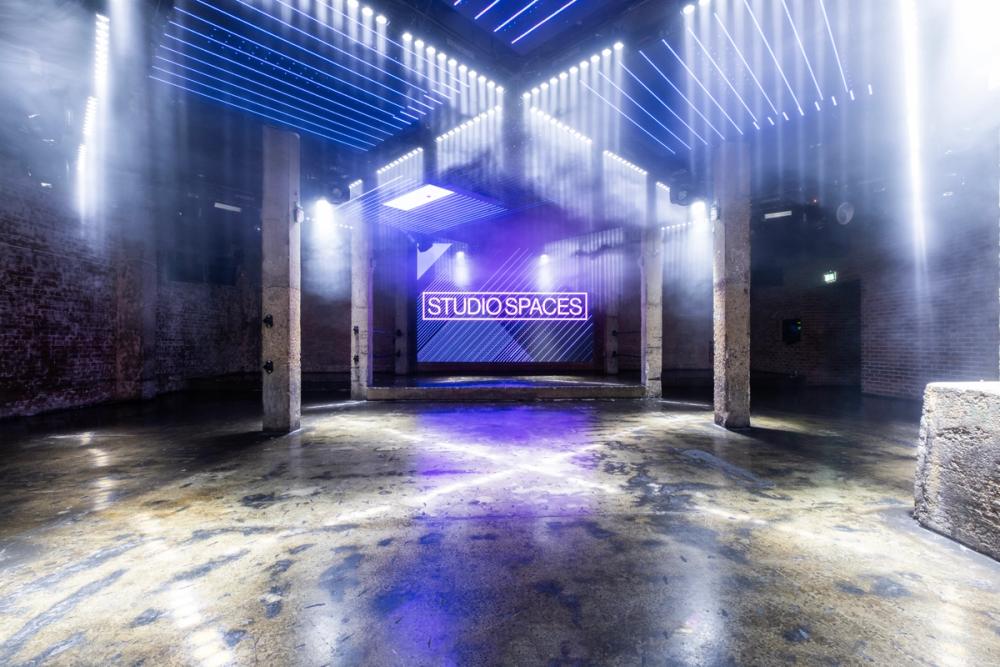
Over the past decade, there has been a noticeable shift in the types of venues being used for events in London.
Warehouse-style venues, particularly in East London, have grown in popularity across a range of sectors. This includes corporate events, product launches, fashion shows, and cultural experiences.
The appeal of these spaces lies in their flexibility.
Unlike traditional venues, which often come with fixed layouts and predefined uses, warehouse venues offer a blank canvas. This allows event organisers to build the environment around their specific requirements.
Lighting can be designed to suit the tone of the event. Staging can be positioned to maximise visibility and engagement. Different zones can be created within a single space, allowing for multiple formats to run alongside each other.
For businesses looking at warehouse event venues in London, this level of control is often the deciding factor.
It enables a more tailored approach to event design, which can lead to stronger engagement and a more cohesive experience.
Warehouse venues also tend to offer larger capacities and fewer structural constraints. This makes them suitable for events that require scale, without compromising on layout or flow.
Choosing a corporate event venue in London
Corporate events have evolved significantly in recent years.
Where they were once primarily focused on presentations and formal networking, there is now a greater emphasis on experience. Attendees expect events to be engaging, well-paced, and visually considered.
This shift has changed what businesses look for in a venue.
A standard conference setup is no longer enough. The venue needs to support a range of formats within a single event. This may include keynote presentations, panel discussions, breakout sessions, and informal networking.
To achieve this, the space must be adaptable.
Transitions between different parts of the event should feel natural. Guests should not need to be repeatedly moved or reoriented. Instead, the environment should guide them through the experience.
This is where multi-space venues can be particularly effective.
At Studio Spaces, for example, the combination of the Warehouse, Black Studio, and Onyx Bar allows for clear separation between different elements of an event. Presentations can take place in one area, while networking or social elements are hosted in another.
This structure reduces complexity for organisers and creates a more seamless experience for attendees.
It also allows for a greater level of control over pacing, which is essential for maintaining engagement throughout the event.
The role of production in event success
Production is often treated as a secondary consideration during venue selection, but it plays a central role in how an event is experienced.
Sound, lighting, and visual elements all contribute to how content is delivered and received.
Poor acoustics can make even the best speakers difficult to follow. Inadequate lighting can reduce visibility and impact. Limited technical infrastructure can restrict what is possible from a production standpoint.
When assessing venues, it is important to understand what is included and what needs to be brought in.
Some venues offer in-house production capabilities, which can simplify planning and reduce the need for external suppliers. Others provide a more basic setup, requiring additional investment in equipment and support.
For corporate events, where clarity and professionalism are key, these details should not be overlooked.
A venue that supports strong production can enhance the overall quality of the event and reduce the risk of issues on the day.
Location and accessibility
London offers a wide range of locations for event venues, each with its own advantages.
Central areas provide convenience and strong transport links, making them suitable for events with attendees travelling from different parts of the city or beyond.
East London, in particular, has become a popular choice for larger, more flexible venues. Its mix of industrial spaces and modern developments offers a range of options for different event types.
When considering location, it is important to think beyond proximity.
Accessibility should be straightforward for all attendees. This includes public transport links, parking options where relevant, and ease of navigation once guests arrive.
The goal is to minimise friction at every stage of the journey, from arrival to departure.
Practical considerations before booking
Before confirming a venue, it is worth taking a structured approach to evaluation.
Capacity should be assessed based on comfort, not just maximum numbers. A venue that feels crowded can quickly reduce the quality of the experience.
Flexibility should be tested against your event format. Consider how easily the space can be adapted to suit different elements of the event.
Production capabilities should be clearly understood. This includes what is included in the hire and what additional resources may be required.
Finally, consider the level of support provided by the venue team. Experienced teams can offer valuable input during the planning process and help to ensure that everything runs smoothly on the day.
These factors often have a greater impact than any visual feature.
Spaces designed to adapt
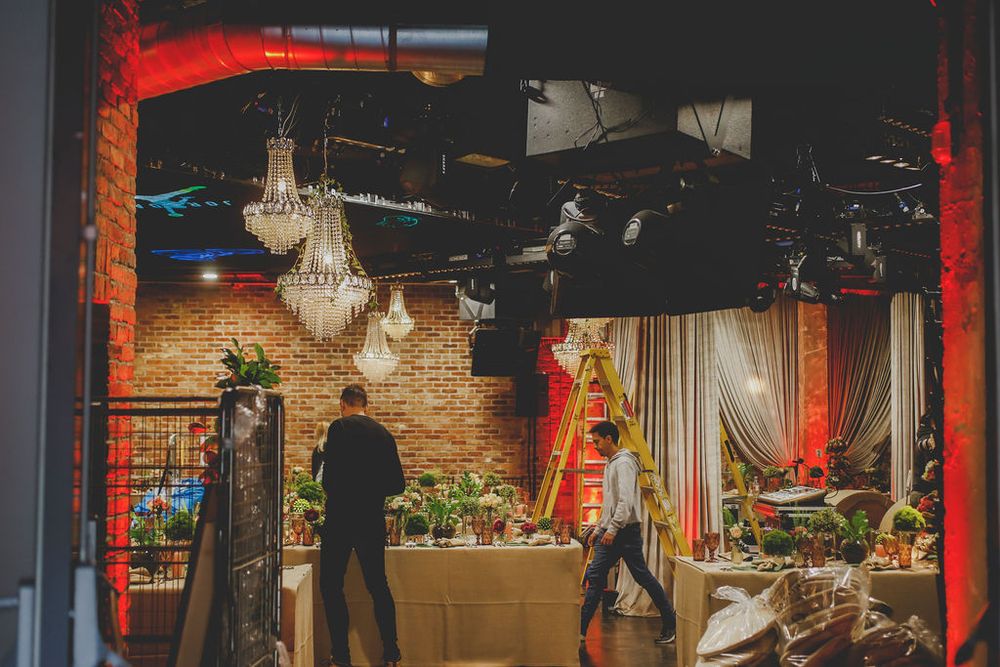
One of the defining characteristics of a strong venue is its ability to adapt.
Rather than forcing a single format, it should support a range of uses within the same space.
At Studio Spaces, this is achieved through a combination of scale and structure. The three distinct areas allow for clear separation between different parts of an event, while still maintaining a cohesive overall experience.
This makes it possible to design events that feel deliberate and well-paced, without unnecessary complexity.
For businesses looking to create events that are both functional and engaging, this level of adaptability can make a significant difference.
FAQs about event venue hire in London
How much does it cost to hire an event venue in London?
Costs vary depending on size, location, and technical requirements. Larger, more flexible venues can often be more cost-efficient when multiple formats are needed within one event.
How far in advance should a venue be booked?
For most corporate events, booking three to six months ahead is standard. Larger events or peak periods may require more notice.
What makes a venue suitable for corporate events?
Flexibility, strong production capabilities, and a layout that supports different formats are usually the key factors.
Which areas of London are best for event venues?
East London is a popular choice due to its transport links and range of large-format, adaptable spaces.
Related News
VIEW ALL

London: A Symphony of Sound - Finding the Perfect Live Music Venue

London's Secret Feasts: Unearthing the City's Most Exclusive Supper Clubs & Private Dining Experiences
What We Love About London Fashion Week
London: Exhibition Galore! Your Ultimate Guide to Finding the Perfect Space
Finding the Perfect Space to Elevate Your Photography
London's Liquid Alchemy: A Deep Dive into the City's Cocktail Revolution
Looking for Unique London England Wedding Venues?
Running a Tech Event in London? Elevate Your Tech Conference with Studio Spaces
Looking for a stylish east london space that's perfect for private parties, corporate events, and large-scale award ceremonies?
Guide to Booking a Corporate Event Venue in London
Christmas event spaces London: how to choose the right venue for your celebration
Product launch venues in London: what brands should look for before booking